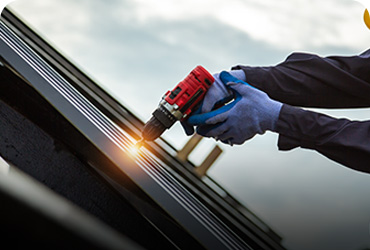

Roof maintenance plan

A roof maintenance plan is an essential part of keeping your home or commercial building in good repair. Regular maintenance can extend the life of your roof and prevent costly repairs or replacements in the future. Here is a roof maintenance plan that you can follow to keep your roof in top condition:

Inspect your roof regularly: It is important to inspect your roof at least twice a year, or after any major storms. Look for missing, damaged, or curled shingles, as well as any other signs of wear or damage. Pay particular attention to the areas around vents, chimneys, and flashing. If you are unable to safely inspect your roof on your own, hire a professional to do it for you.

If you notice significant damage to your roof or if you are unsure how to properly maintain it, it is best to hire a professional roofing contractor.

Remove leaves, twigs, and other debris from your roof regularly. These can trap moisture and cause damage to your roof. You can use a roof rake or a leaf blower to remove leaves and other debris from your roof.

Overhanging trees and branches can damage your roof, especially during wind and storms. Trim back any trees or branches that are close to your roof to prevent damage.


If you notice any damage to your roof, it is important to repair it as soon as possible to prevent further damage. This may involve replacing damaged shingles, repairing flashing, or sealing any gaps or cracks.

Proper attic ventilation is important for the health of your roof. It helps to prevent moisture build-up and reduces the risk of ice dams in the winter. Make sure your attic has proper ventilation to keep your roof in good condition.
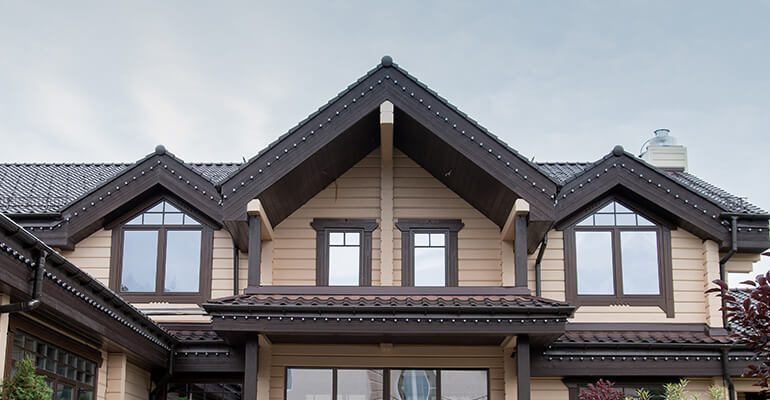
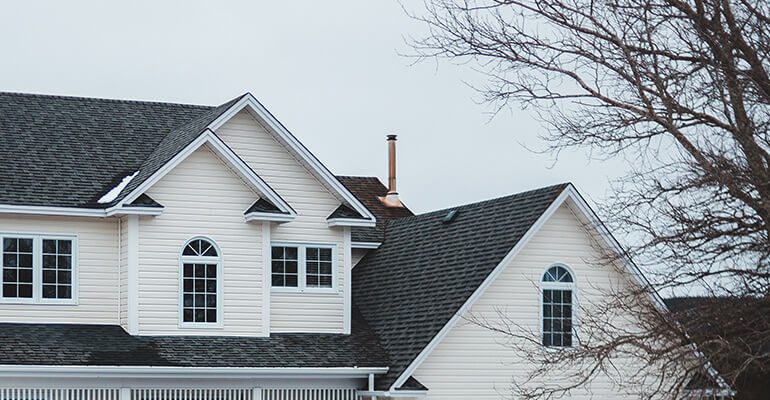
Removing Snow from Roofs: A Guide for Maine Homeowners

Removing Snow from Roofs: A Guide for Maine Homeowners

Winter in Maine is no joke. With heavy snowfall and icy conditions, one of the biggest concerns for homeowners is the accumulation of snow on roofs. Not only can this lead to structural damage, but it also poses safety risks. This guide will help you understand when and how to remove snow from your roof safely, incorporating guidelines from the State of Maine.


Why Snow Accumulation is a Problem


Heavy snow loads can stress your roof beyond its capacity, especially flat and low-pitched roofs commonly found in certain home designs and industrial buildings. Recognizing the warning signs of potential structural weaknesses is crucial to prevent damage or collapse.


How Much Snow is Too Much?


Understanding the weight of the snow on your roof is essential. Here are some general guidelines:

 
  • Fresh Snow: Approximately 10-12 inches of new snow equals about 5 pounds per square foot. Most roofs can handle up to 4 feet of fresh snow before becoming stressed.

  • Packed Snow: About 3-5 inches of old, packed snow equals the same 5 pounds per square foot. Therefore, 2 feetof packed snow could be problematic.

  • Ice: Just 1 inch of ice equals 1 foot of fresh snow, adding significant weight.


Example: A combination of 2 feet of old snow and 2 feet of new snow could weigh up to 60 pounds per square foot, exceeding the load capacity of many roofs.


Signs Your Roof May Be Stressed


Be on the lookout for:

 
  • Sagging sections

  • Severe leaks

  • Cracks in walls or masonry

  • Doors or windows that jam

  • Unusual creaking or popping sounds


If you notice any of these signs, evacuate the building and consult a professional immediately.


Safe Snow Removal Tips


Consider Hiring Professionals


Removing snow from roofs can be dangerous due to heights and slippery conditions. Professionals have the necessary equipment and experience.


If You Choose to DIY

 
  • Use a Roof Rake: Invest in a long-handled roof rake designed for snow removal.

  • Start from the Edge: Begin at the roof’s edge and work your way up, removing small amounts at a time.

  • Avoid Damage: Leave a thin layer of snow (about 2-3 inches) to prevent damage to shingles.

  • Stay Grounded: Work from the ground if possible. Avoid climbing on ladders or the roof itself.

  • Watch for Falling Snow: Be aware of where the snow will fall to avoid injury.

  • Protect Yourself: Wear a hard hat and safety goggles.


What Not to Do

 
  • Don’t Use Open Flames: Never use torches or heat guns to melt snow or ice.

  • Avoid Electrical Devices: Keep electric heaters and hairdryers away from melting snow to prevent electrocution.

  • Stay Off the Roof: Walking on a snow-covered roof increases the risk of slips and falls.


Preventative Measures

 
  • Keep Gutters Clean: Clear gutters and downspouts to prevent ice dams.

  • Trim Overhanging Branches: Reduce the risk of additional snow falling onto your roof.

  • Improve Insulation: Proper attic insulation can minimize ice dams by keeping the roof surface cooler.


Final Thoughts


Regular maintenance and prompt snow removal can protect your home from the harsh Maine winters. Always prioritize safety over convenience. When in doubt, consult a professional to handle snow removal tasks. Receive a free quote below.


Balancing ventilation

Balancing ventilation is the process of ensuring that your home has the right amount of ventilation to maintain optimal conditions in the attic. Proper ventilation helps to regulate the temperature and moisture levels in your attic, preventing issues such as mold, rot, and ice dams. Here are eight key points to consider when it comes to balancing ventilation in your home.

Balancing ventilation is important for the health and efficiency of your home. Without proper ventilation, the temperature and moisture levels in your attic can become too high or too low, leading to a range of issues.

Types of ventilation: There are several different types of ventilation systems available, including static vents, wind turbines, and ridge vents. Static vents are passive ventilation systems that rely on the natural flow of air to ventilate the attic. Wind turbines are active ventilation systems that rely on the wind to turn a fan and ventilate the attic. Ridge vents are installed along the ridge of a roof and allow for the natural flow of air through the attic.

Proper maintenance is important for the longevity and effectiveness of your ventilation system. This may involve cleaning the vents regularly and checking for any damage or issues.

It’s important to choose the right size and number of ventilation systems for your home. Factors to consider include the size of your attic, the type of ventilation system being used, and the climate you live in.

Balancing the intake and exhaust of your ventilation system is important for optimal attic conditions. Intake vents, such as soffit vents, allow air to enter the attic, while exhaust vents, such as static vents or wind turbines, allow air to escape. Ensuring that the intake and exhaust vents are properly balanced can help to regulate the temperature and moisture levels in your attic.

Location: The location of your ventilation system can also impact its effectiveness. Ventilation systems should be placed in areas that allow for effective airflow, such as along the eaves or gables of the roof.

Ventilation systems are typically made from durable materials such as metal or plastic. Metal vents are known for their longevity and resistance to extreme weather, while plastic vents may be more affordable but may not be as durable.

Get connected with the top-rated roofing contractors in Maine

Address

201 Mariner Way
Biddeford, ME 04005
207-417-4666

Subscribe

Subscribe to our Newsletter and get connected with our latest news.

    Copyright © 2021 Southernmaineroofs. Creation of pixelweby.