10 Common Roofing Problems in Maine and How to Fix Them

Living in Maine means embracing the beauty of four distinct seasons, but it also means that our homes, especially our roofs, are exposed to a wide range of weather conditions. From heavy snowfall to salty coastal air, these elements can take a toll on your roof over time. As a homeowner, being aware of common roofing problems can save you time, money, and a lot of headaches down the road.


1. Ice Dams


What Are They?

Ice dams form when heat from your attic melts the snow on your roof, which then refreezes at the edges, creating a dam. This prevents melting snow from draining properly, leading to water backing up under the shingles.

How to Fix It

Improving your attic insulation and ventilation is key. This keeps the roof surface cold enough to prevent snow from melting prematurely. If ice dams have already formed, it’s best to consult with one of the best roofing contractors in Maine to safely remove them without damaging your roof.


2. Heavy Snow Load


What’s the Issue?

Maine winters are notorious for heavy snowfall. Excessive snow accumulation can strain your roof structure, leading to sagging or even collapse in extreme cases.

How to Fix It

Regularly remove snow using a roof rake or hire professionals to do it for you. Ensure your roof is structurally sound by having it inspected by reputable Maine roofing contractors, especially if your home is older.


3. High Winds and Storm Damage


The Problem

Nor’easters and coastal storms can bring strong winds that rip off shingles or cause tree limbs to fall on your roof.

How to Fix It

After a storm, inspect your roof for missing shingles or damage. Replace any missing or damaged shingles promptly to prevent leaks. For extensive damage, contacting the best roofing contractors in Maine will ensure repairs are done correctly.


4. Moisture and Leaks


Why It Happens

Frequent rain and melting snow can lead to moisture seeping under shingles, especially if they are damaged or improperly installed.

How to Fix It

Regular roof inspections can catch small issues before they become big problems. Seal any cracks and replace damaged shingles. Proper flashing around chimneys and vents installed by experienced Maine roofing contractors can also prevent leaks.

5. Roof Ventilation Issues


The Concern

Poor ventilation can cause heat and moisture to build up in your attic, leading to mold growth and decreased roof lifespan.

How to Fix It

Ensure your attic has proper ventilation. Soffit vents, ridge vents, and attic fans can help regulate temperature and moisture levels. An assessment by a professional can determine the best solution for your home.


6. Moss and Algae Growth


What’s Happening?

Damp conditions promote moss and algae growth on your roof, which can retain moisture and cause shingles to deteriorate.

How to Fix It

Clean your roof using a gentle brush and a moss-killing solution. Trim overhanging branches to reduce shade and allow sunlight to dry out the roof. Installing zinc or copper strips can also prevent moss growth.


7. Shingle Damage from Weather Extremes


The Issue

Temperature fluctuations can cause shingles to expand and contract, leading to cracks or curling.

How to Fix It

Replace damaged shingles promptly. Consider using high-quality, weather-resistant materials recommended by Maine roofing contractors to withstand local climate conditions.


8. Salt Spray Corrosion


Why It’s a Problem

For homes near the coast, salty air can corrode metal components and deteriorate roofing materials faster than normal.

How to Fix It

Use corrosion-resistant materials like stainless steel or aluminum for flashing and fasteners. Regular inspections can catch early signs of corrosion, allowing for timely repairs.


9. Gutter and Drainage Problems


The Concern

Clogged or damaged gutters can lead to water overflow, which can damage your roof and home’s foundation.

How to Fix It

Clean your gutters regularly, especially after the fall season. Repair or replace damaged sections to ensure proper drainage. Gutter guards can also reduce debris buildup.


10. Aging Roof Materials


What Happens

Over time, all roofing materials will deteriorate, losing their effectiveness and aesthetic appeal.

How to Fix It

If your roof is over 20 years old, consider a professional inspection to determine if it needs repairs or replacement. Upgrading to modern, durable materials can provide better protection and increase your home’s value. Use our free tool here to see how much a new roof will save you in energy costs.


When to Call a Maine Roofing Contractor?


Not every roofing issue is something you can (or should) handle on your own. In Maine, having a trustworthy roofing contractor on hand is invaluable. If you’re dealing with persistent leaks, major shingle damage, or structural issues, a professional contractor can provide the expertise needed to keep your roof in top shape.


At Southern Maine Roofs, we’re here to help make roof maintenance simple and stress-free. Whether it’s an inspection, repair, or full replacement, our network of skilled Maine roofing contractors is ready to tackle your toughest roofing challenges. Best of all, we offer free, no-obligation quotes, so you can feel confident about your roofing choices.
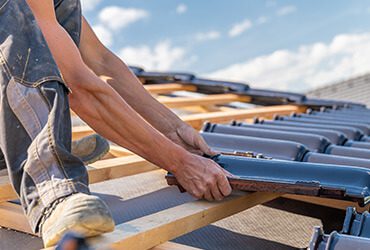
Roof underlayment and flashing

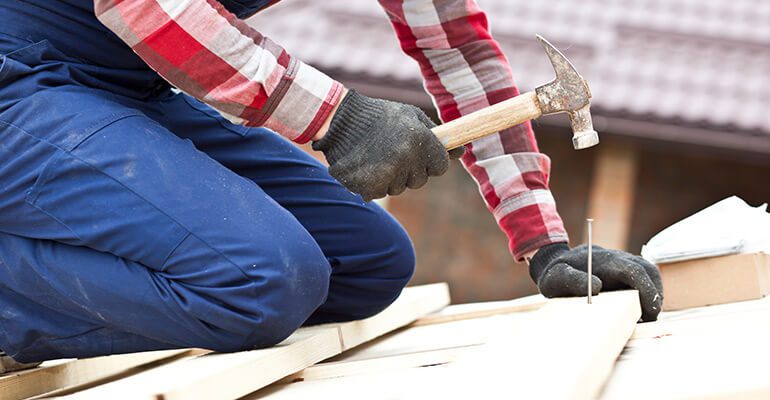
Roof underlayment and flashing are two important components of a roofing system that play a crucial role in protecting a building from water damage. In this post, we will delve into the details of roof underlayment and flashing, explaining what they are, how they work, and why they are important.

Roof underlayment is a layer of material that is installed under the roofing material to provide an extra layer of protection for the roof. It is often made of a synthetic material such as felt paper, rubberized asphalt, or a synthetic polymer. Roof underlayment is installed on top of the roof deck and under the roofing material, and serves as a secondary water barrier in case the primary roofing material fails.

Roof flashing is an important component of a roofing system because it helps to prevent leaks and water damage to the roof and the building.

Roof flashing is a thin material, usually made of metal, that is used to seal the joints and seams on a roof. It is typically installed around areas of the roof that are prone to leaks, such as chimneys, skylights, and vents. Roof flashing is designed to prevent water from seeping through these joints and into the building.

Roof underlayment works by providing a layer of protection between the roof deck and the roofing material. It acts as a barrier to prevent water from seeping through the roof and into the building. When installed properly, roof underlayment can help to prevent leaks and water damage to the roof and the building.

Roof flashing works by sealing the joints and seams on a roof, preventing water from seeping through these areas and into the building. It is typically installed around areas of the roof that are prone to leaks, such as chimneys, skylights, and vents. When installed correctly, roof flashing helps to prevent leaks and water damage to the roof and the building.

Roof underlayment is an important component of a roofing system for several reasons. First and foremost, it provides an extra layer of protection against water damage. If the primary roofing material fails, the roof underlayment can help to prevent leaks and water damage to the roof and the building. In addition, roof underlayment helps to prevent moisture from accumulating on the roof deck, which can lead to rot and other types of damage.

Roof evaluation Facts

Roof evaluation is the process of assessing the condition of a roof in order to determine its current state and identify any potential issues or areas of concern. This is an important step for building owners and property managers to take in order to ensure the long-term health and protection of their building. In this post, we will delve into the details of roof evaluation, explaining what it is, how it is conducted, and why it is important.

Roof evaluation is the process of assessing the condition of a roof in order to determine its current state and identify any potential issues or areas of concern. It is typically conducted by a professional roofing contractor or building inspector and includes a thorough inspection of the roofing material, the condition of the decking, and the overall condition of the roof. The goal of a roof evaluation is to identify any issues that may need to be addressed in order to prolong the life of the roof and protect the building from water damage.

it is important to choose a reputable and experienced roof evaluation contractor in order to ensure a thorough and accurate assessment of the roof.

Roof evaluation is typically conducted by a professional roofing contractor or building inspector. The process typically involves a visual inspection of the roof from both the ground and the roof itself, if possible. The inspector will look for any visible signs of damage, such as missing or damaged shingles, leaks, or rot. They will also assess the condition of the decking and the overall condition of the roof. In some cases, the inspector may also use specialized equipment such as thermal imaging cameras or moisture meters to help identify any potential issues.

A typical roof evaluation will include a detailed assessment of the condition of the roof, including any visible signs of damage or wear and tear. It will also include an estimated lifespan for the roof, as well as any recommendations for repair or maintenance. In addition, the evaluation may include an assessment of the ventilation and drainage systems, as well as any other components of the roofing system that may need to be addressed.

Roof evaluation is an important step for building owners and property managers to take in order to ensure the long-term health and protection of their building. By identifying any issues with the roof early on, it is possible to address them before they become more serious and costly to fix. In addition, a roof evaluation can help to prolong the life of the roof by identifying any potential issues that may need to be addressed in order to maintain its integrity.

The frequency of roof evaluations will depend on the age and condition of the roof, as well as the climate in which the building is located. As a general rule, it is a good idea to have a roof evaluated at least once per year, particularly if the roof is older or has sustained any significant damage. In some cases, it may be necessary to have the roof evaluated more frequently, especially if the building is located in an area with harsh weather conditions or if the roof is showing signs of wear and tear.

Removing Snow from Roofs: A Guide for Maine Homeowners

Removing Snow from Roofs: A Guide for Maine Homeowners

Winter in Maine is no joke. With heavy snowfall and icy conditions, one of the biggest concerns for homeowners is the accumulation of snow on roofs. Not only can this lead to structural damage, but it also poses safety risks. This guide will help you understand when and how to remove snow from your roof safely, incorporating guidelines from the State of Maine.


Why Snow Accumulation is a Problem


Heavy snow loads can stress your roof beyond its capacity, especially flat and low-pitched roofs commonly found in certain home designs and industrial buildings. Recognizing the warning signs of potential structural weaknesses is crucial to prevent damage or collapse.


How Much Snow is Too Much?


Understanding the weight of the snow on your roof is essential. Here are some general guidelines:

 
  • Fresh Snow: Approximately 10-12 inches of new snow equals about 5 pounds per square foot. Most roofs can handle up to 4 feet of fresh snow before becoming stressed.

  • Packed Snow: About 3-5 inches of old, packed snow equals the same 5 pounds per square foot. Therefore, 2 feetof packed snow could be problematic.

  • Ice: Just 1 inch of ice equals 1 foot of fresh snow, adding significant weight.


Example: A combination of 2 feet of old snow and 2 feet of new snow could weigh up to 60 pounds per square foot, exceeding the load capacity of many roofs.


Signs Your Roof May Be Stressed


Be on the lookout for:

 
  • Sagging sections

  • Severe leaks

  • Cracks in walls or masonry

  • Doors or windows that jam

  • Unusual creaking or popping sounds


If you notice any of these signs, evacuate the building and consult a professional immediately.


Safe Snow Removal Tips


Consider Hiring Professionals


Removing snow from roofs can be dangerous due to heights and slippery conditions. Professionals have the necessary equipment and experience.


If You Choose to DIY

 
  • Use a Roof Rake: Invest in a long-handled roof rake designed for snow removal.

  • Start from the Edge: Begin at the roof’s edge and work your way up, removing small amounts at a time.

  • Avoid Damage: Leave a thin layer of snow (about 2-3 inches) to prevent damage to shingles.

  • Stay Grounded: Work from the ground if possible. Avoid climbing on ladders or the roof itself.

  • Watch for Falling Snow: Be aware of where the snow will fall to avoid injury.

  • Protect Yourself: Wear a hard hat and safety goggles.


What Not to Do

 
  • Don’t Use Open Flames: Never use torches or heat guns to melt snow or ice.

  • Avoid Electrical Devices: Keep electric heaters and hairdryers away from melting snow to prevent electrocution.

  • Stay Off the Roof: Walking on a snow-covered roof increases the risk of slips and falls.


Preventative Measures

 
  • Keep Gutters Clean: Clear gutters and downspouts to prevent ice dams.

  • Trim Overhanging Branches: Reduce the risk of additional snow falling onto your roof.

  • Improve Insulation: Proper attic insulation can minimize ice dams by keeping the roof surface cooler.


Final Thoughts


Regular maintenance and prompt snow removal can protect your home from the harsh Maine winters. Always prioritize safety over convenience. When in doubt, consult a professional to handle snow removal tasks. Receive a free quote below.


Roof repair recommendations

It is a good idea to be present during the repair work in order to ask any questions and get a better understanding of the condition of the roof. After the repairs are complete, the contractor should provide a written report outlining the work that was completed.

After completing the recommended roof repairs, it is important to maintain the roof in order to prolong its lifespan and protect the building from water damage. Some tips for maintaining the roof include:

Regular inspections of the roof can help to identify any potential issues early on and allow for timely repairs.

Clearing debris from the roof: Debris such as leaves and branches can accumulate on the roof and cause damage if not removed. Regularly clear the roof of any debris to help prevent damage. Inspecting the roof regularly: Regular inspections of the roof can help to identify any potential issues early on and allow for timely repairs.

Cleaning and maintaining the ventilation and drainage systems: Proper ventilation and drainage are important for the health of the roof. Regularly clean and maintain these systems to ensure that they are functioning properly. Seeking professional help: If you are unsure about the condition of your roof or if you notice any issues, seek the help of a professional roofing contractor. They can provide a thorough assessment of the roof and make any necessary repair recommendations.

Choosing a reputable and experienced roof repair contractor is also crucial in order to ensure that the recommended repairs are completed properly and effectively. By following these recommendations and properly maintaining the roof, it is possible to prolong its lifespan and protect the building from water damage.

Roof replacement Facts

Roof replacement is a significant investment, but it is an important one for the long-term health and protection of your home or business. In this post, we will delve into the details of roof replacement, explaining what it is, when it is necessary, and how to go about it.

Roof replacement is the process of removing an existing roof and installing a new one in its place. It is typically necessary when a roof has reached the end of its lifespan or has sustained significant damage that cannot be repaired. Roof replacement can involve the removal of the old roofing material, repair of any damaged decking, and installation of new underlayment and flashing, as well as the new roofing material itself.

To ensure that your new roof stays in good condition, it is important to perform regular maintenance and repairs as needed. This may include cleaning the roof and gutters.

There are several signs that a roof may need to be replaced. One of the most obvious is if the roof has reached the end of its lifespan. Most roofing materials have a lifespan of 20-30 years, depending on the type of material and the quality of the installation. If your roof is older than this, it may be time to consider replacement. Other signs that your roof may need to be replaced.

Before beginning the roof replacement process, it is important to properly prepare. This includes getting multiple estimates from reputable contractors, setting a budget, and obtaining any necessary permits. It may also be a good idea to remove any valuables or personal items from the attic or upper floors to protect them during the replacement process.

Choosing a reputable and experienced roofing contractor is an important step in the roof replacement process. It is important to do your research and get multiple estimates before making a decision.

The roof replacement process can take anywhere from a few days to a week or more, depending on the size and complexity of the roof.

Dormer vents for enhanced attic airflow

Dormer vents are a type of ventilation system that is installed along the slope of a dormer, which is a vertical extension of a building’s roof. These vents allow for the natural flow of air through the attic and can help to improve the ventilation of your home. Here are eight key points to consider when it comes to dormer vents:

Dormer vents can provide several benefits to your home, including improved attic ventilation, reduced energy costs, and increased comfort. Proper ventilation helps to regulate the temperature and moisture levels in your attic, preventing issues such as mold, rot, and ice dams.

The cost of dormer vents can vary depending on the type of vents and the scope of the project. Be sure to get estimates from multiple contractors.

There are several different types of dormer vents available, including static vents, wind turbines, and ridge vents. Static vents are passive ventilation systems that rely on the natural flow of air to ventilate the attic. Wind turbines are active ventilation systems that rely on the wind to turn a fan and ventilate the attic. Ridge vents are installed along the ridge of a roof and allow for the natural flow of air through the attic.

Dormer vents should be installed in a location that allows for effective ventilation of the attic. This may include the slope of the dormer, the position of the vents in relation to the roof, and the overall size of the vents.

Dormer vents are typically made from durable materials such as metal or plastic. Metal vents are known for their longevity and resistance to extreme weather, while plastic vents may be more affordable but may not be as durable.

Dormer vents typically require minimal maintenance, but it’s important to keep them clean and free of debris to ensure optimal performance. This may involve occasionally cleaning the vents with a soft brush or cloth.

Roofing and Energy efficiency

Energy efficiency is an important consideration when it comes to roofing, as the right roofing materials and design can help to reduce your energy costs and lower your carbon footprint. Here are eight key points to consider when it comes to roofing and energy efficiency.

Roof design: The design of your roof can impact its energy efficiency. Factors to consider include the slope and pitch of the roof, the direction it faces, and the type of materials used. A sloped roof that faces south can be more energy efficient, as it can help to capture solar energy and reduce the amount of heat entering the home.

Adequate ventilation is essential for a healthy and energy-efficient home. Proper ventilation helps to regulate the temperature and moisture levels in your attic, preventing issues such as mold, rot, and ice dams.

There are several types of roofing materials that are known for their energy efficiency, including metal, rubber, and reflective shingles. Metal roofing is a durable and energy-efficient option, as it reflects sunlight and heat, reducing the amount of energy needed to keep your home comfortable. Rubber roofing is also energy efficient, as it has a high thermal resistance and can help to keep your home cool in the summer. Reflective shingles are another energy-efficient option, as they reflect sunlight and heat, reducing the amount of energy needed to cool your home.

Proper insulation is also important for energy efficiency, as it helps to keep your home warm in the winter and cool in the summer. There are several types of insulation available, including fiberglass, cellulose, and spray foam, each with its own unique properties. Be sure to choose an insulation material that is appropriate for your home and to ensure that it is properly installed for optimal performance.

Adequate ventilation is essential for a healthy and energy-efficient home. Proper ventilation helps to regulate the temperature and moisture levels in your attic, preventing issues such as mold, rot, and ice dams. There are several different types of ventilation systems available, including static vents, wind turbines, and ridge vents.

There are several energy-efficient roofing products available on the market, including solar panels and cool roof coatings. Solar panels can help to generate electricity for your home and reduce your energy costs.

Balancing ventilation

Balancing ventilation is the process of ensuring that your home has the right amount of ventilation to maintain optimal conditions in the attic. Proper ventilation helps to regulate the temperature and moisture levels in your attic, preventing issues such as mold, rot, and ice dams. Here are eight key points to consider when it comes to balancing ventilation in your home.

Balancing ventilation is important for the health and efficiency of your home. Without proper ventilation, the temperature and moisture levels in your attic can become too high or too low, leading to a range of issues.

Types of ventilation: There are several different types of ventilation systems available, including static vents, wind turbines, and ridge vents. Static vents are passive ventilation systems that rely on the natural flow of air to ventilate the attic. Wind turbines are active ventilation systems that rely on the wind to turn a fan and ventilate the attic. Ridge vents are installed along the ridge of a roof and allow for the natural flow of air through the attic.

Proper maintenance is important for the longevity and effectiveness of your ventilation system. This may involve cleaning the vents regularly and checking for any damage or issues.

It’s important to choose the right size and number of ventilation systems for your home. Factors to consider include the size of your attic, the type of ventilation system being used, and the climate you live in.

Balancing the intake and exhaust of your ventilation system is important for optimal attic conditions. Intake vents, such as soffit vents, allow air to enter the attic, while exhaust vents, such as static vents or wind turbines, allow air to escape. Ensuring that the intake and exhaust vents are properly balanced can help to regulate the temperature and moisture levels in your attic.

Location: The location of your ventilation system can also impact its effectiveness. Ventilation systems should be placed in areas that allow for effective airflow, such as along the eaves or gables of the roof.

Ventilation systems are typically made from durable materials such as metal or plastic. Metal vents are known for their longevity and resistance to extreme weather, while plastic vents may be more affordable but may not be as durable.

Get connected with the top-rated roofing contractors in Maine

Address

201 Mariner Way
Biddeford, ME 04005
207-417-4666

Subscribe

Subscribe to our Newsletter and get connected with our latest news.

    Copyright © 2021 Southernmaineroofs. Creation of pixelweby.