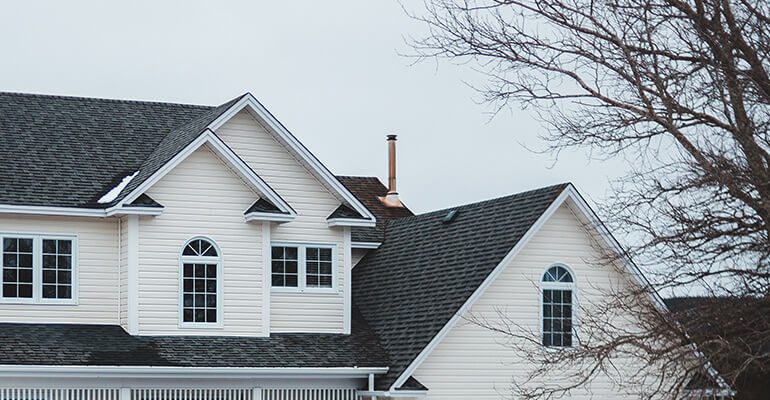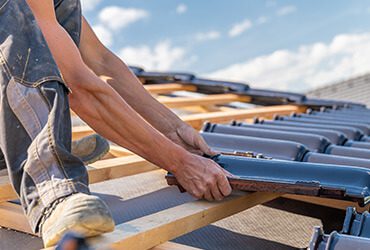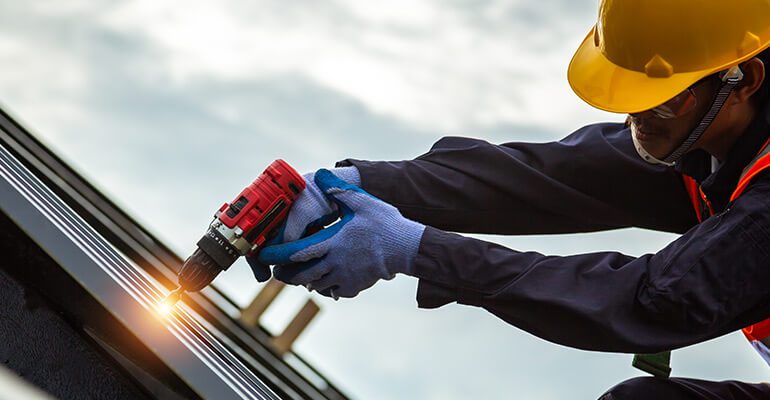
Hey there, fellow Mainers! We all know that when the leaves start changing and the air gets that crisp chill, winter is just around the corner. And let’s face it, winters here aren’t exactly mild. Snowstorms, ice, freezing temps—you name it, we’ve got it. So, before the first flakes start to fall, it’s a good idea to make sure your roof is up to the challenge. Here’s how you can prep your roof to handle whatever Mother Nature throws our way this winter. 1. Give Your Roof a Once-Over First things first, take a good look at your roof. Check for Damaged Shingles: Keep an eye out for any shingles that are missing, cracked, or curling. These can let water seep into your home, and nobody wants that. Look at Flashing and Seals: Check around chimneys, vents, and skylights to make sure the flashing and seals are in good shape. If they’re not, you might end up with leaks. Spot Any Sagging Areas: If parts of your roof look like they’re sagging, that could mean there’s some structural damage. Better to catch that now than in the middle of a blizzard. Tip: If you’re not comfortable climbing up there yourself (and who could blame you?), consider hiring a professional to do the inspection. 2. Clean Out the Gutters Clogged gutters are a recipe for disaster when the snow starts melting. Remove Leaves and Debris: Get rid of all the gunk that’s built up in your gutters and downspouts. This helps prevent ice dams, which can cause water to back up under your shingles. Ensure Proper Drainage: Make sure water can flow freely through the downspouts and away from your house. 3. Trim Overhanging Branches Those beautiful trees around your house? They can be trouble for your roof in winter. Cut Back Branches: Trim any branches that hang over your roof. Heavy snow can cause them to break and damage your roof—or worse, hurt someone. 4. Boost Your Attic’s Insulation and Ventilation A well-insulated and ventilated attic can make a big difference. Add Insulation: Proper insulation keeps warm air inside your home, which helps prevent ice dams on your roof. Check Ventilation: Good ventilation keeps your attic cool and dry, reducing moisture that can damage your roof from the inside out. 5. Install Ice and Water Shields Think of these as extra protection where your roof needs it most. Focus on Vulnerable Spots: Place these shields along the edges of your roof, in the valleys, and around chimneys and vents. Get Professional Help: Installing these correctly is key, so you might want to bring in a pro. 6. Consider Roof Heating Cables If ice dams are a recurring problem, heating cables might be the way to go. Install Along Roof Edges: These cables help melt snow and ice, preventing buildup. Follow Instructions Carefully: Make sure to install and use them according to the manufacturer’s guidelines for safety. 7. Fix Any Issues Now Don’t wait until small problems become big ones. Replace Damaged Shingles: Swap out any that are cracked or missing. Seal Up Leaks: Use roofing sealant to fix minor leaks or gaps. 8. Get a Pro’s Opinion Sometimes, it’s best to call in the experts. Schedule a Professional Inspection: A roofer can spot issues you might miss and suggest the best fixes. Stay Safe: Letting the pros handle it keeps you off the ladder and out of harm’s way. 9. Prepare for Snow Removal Heavy snow can put a lot of strain on your roof. Invest in a Roof Rake: This tool lets you remove snow from the ground, which is much safer than climbing up there. Know When to Call for Help: If the snow gets too heavy or hard to reach, it’s time to bring in professionals. 10. Check Your Home Insurance It’s always good to know what your policy covers. Review Your Coverage: Make sure you’re protected against winter-related damage. Document Everything: Keep records of your roof’s condition and any maintenance or repairs you do. Wrapping Up Getting your roof ready for winter might not be the most exciting task, but a little effort now can save you a lot of hassle (and money) later on. Plus, you’ll have peace of mind knowing your home is protected against the harsh Maine winter. So grab that ladder (or ask our pros and receive an instant quote below) and get started. Stay warm and safe out there! Credit: Southern Maine Roofs


Roof plan & Insulation
Roof planning and insulation are important considerations when building or renovating a home. The right roof and insulation can help to protect your home from the elements, reduce energy costs, and improve the overall comfort of your home. Here are eight key points to consider when it comes to roof planning and insulation: The design of your roof will depend on the style of your home and the climate you live in. Factors to consider include the slope and pitch of the roof, the type of materials to be used, and the location of the roof in relation to the sun. It’s important to understand the warranty options available for your roof and insulation. Some manufacturers offer long-term warranties for their products. There are many different types of roofing materials available, including asphalt shingles, metal, wood, clay or concrete tiles, and rubber. Each material has its own unique benefits and drawbacks, so it’s important to consider the specific needs of your home when selecting a material. Proper insulation is essential for a healthy and energy-efficient home. Insulation helps to keep your home warm in the winter and cool in the summer, reducing energy costs and improving comfort. There are several different types of insulation available, including fiberglass, cellulose, and spray foam, each with its own unique properties. Adequate ventilation is also important for a healthy and energy-efficient home. Proper ventilation helps to regulate the temperature and moisture levels in your attic, preventing issues such as mold, rot, and ice dams. There are several different types of ventilation systems available, including static vents, wind turbines, and ridge vents. Choosing energy-efficient roofing and insulation materials can help to reduce your energy costs and lower your carbon footprint. Options such as metal roofing and solar panels can help to improve the energy efficiency of your home.
Dormer vents for enhanced attic airflow
Dormer vents are a type of ventilation system that is installed along the slope of a dormer, which is a vertical extension of a building’s roof. These vents allow for the natural flow of air through the attic and can help to improve the ventilation of your home. Here are eight key points to consider when it comes to dormer vents: Dormer vents can provide several benefits to your home, including improved attic ventilation, reduced energy costs, and increased comfort. Proper ventilation helps to regulate the temperature and moisture levels in your attic, preventing issues such as mold, rot, and ice dams. The cost of dormer vents can vary depending on the type of vents and the scope of the project. Be sure to get estimates from multiple contractors. There are several different types of dormer vents available, including static vents, wind turbines, and ridge vents. Static vents are passive ventilation systems that rely on the natural flow of air to ventilate the attic. Wind turbines are active ventilation systems that rely on the wind to turn a fan and ventilate the attic. Ridge vents are installed along the ridge of a roof and allow for the natural flow of air through the attic. Dormer vents should be installed in a location that allows for effective ventilation of the attic. This may include the slope of the dormer, the position of the vents in relation to the roof, and the overall size of the vents. Dormer vents are typically made from durable materials such as metal or plastic. Metal vents are known for their longevity and resistance to extreme weather, while plastic vents may be more affordable but may not be as durable. Dormer vents typically require minimal maintenance, but it’s important to keep them clean and free of debris to ensure optimal performance. This may involve occasionally cleaning the vents with a soft brush or cloth.
Roofing and Energy efficiency
Energy efficiency is an important consideration when it comes to roofing, as the right roofing materials and design can help to reduce your energy costs and lower your carbon footprint. Here are eight key points to consider when it comes to roofing and energy efficiency. Roof design: The design of your roof can impact its energy efficiency. Factors to consider include the slope and pitch of the roof, the direction it faces, and the type of materials used. A sloped roof that faces south can be more energy efficient, as it can help to capture solar energy and reduce the amount of heat entering the home. Adequate ventilation is essential for a healthy and energy-efficient home. Proper ventilation helps to regulate the temperature and moisture levels in your attic, preventing issues such as mold, rot, and ice dams. There are several types of roofing materials that are known for their energy efficiency, including metal, rubber, and reflective shingles. Metal roofing is a durable and energy-efficient option, as it reflects sunlight and heat, reducing the amount of energy needed to keep your home comfortable. Rubber roofing is also energy efficient, as it has a high thermal resistance and can help to keep your home cool in the summer. Reflective shingles are another energy-efficient option, as they reflect sunlight and heat, reducing the amount of energy needed to cool your home. Proper insulation is also important for energy efficiency, as it helps to keep your home warm in the winter and cool in the summer. There are several types of insulation available, including fiberglass, cellulose, and spray foam, each with its own unique properties. Be sure to choose an insulation material that is appropriate for your home and to ensure that it is properly installed for optimal performance. Adequate ventilation is essential for a healthy and energy-efficient home. Proper ventilation helps to regulate the temperature and moisture levels in your attic, preventing issues such as mold, rot, and ice dams. There are several different types of ventilation systems available, including static vents, wind turbines, and ridge vents. There are several energy-efficient roofing products available on the market, including solar panels and cool roof coatings. Solar panels can help to generate electricity for your home and reduce your energy costs.
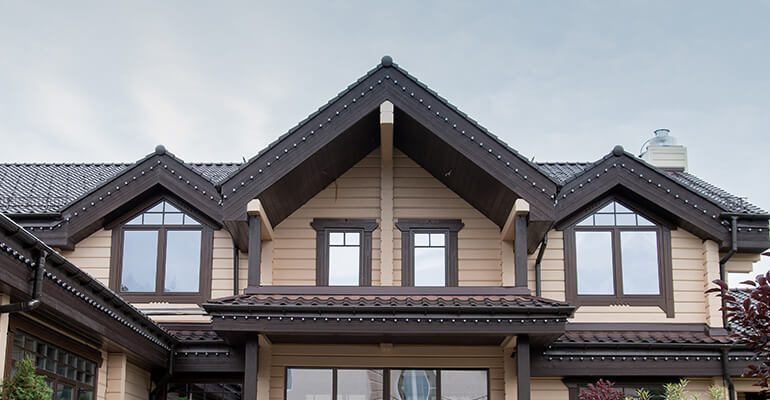
Balancing ventilation
Balancing ventilation is the process of ensuring that your home has the right amount of ventilation to maintain optimal conditions in the attic. Proper ventilation helps to regulate the temperature and moisture levels in your attic, preventing issues such as mold, rot, and ice dams. Here are eight key points to consider when it comes to balancing ventilation in your home. Balancing ventilation is important for the health and efficiency of your home. Without proper ventilation, the temperature and moisture levels in your attic can become too high or too low, leading to a range of issues. Types of ventilation: There are several different types of ventilation systems available, including static vents, wind turbines, and ridge vents. Static vents are passive ventilation systems that rely on the natural flow of air to ventilate the attic. Wind turbines are active ventilation systems that rely on the wind to turn a fan and ventilate the attic. Ridge vents are installed along the ridge of a roof and allow for the natural flow of air through the attic. Proper maintenance is important for the longevity and effectiveness of your ventilation system. This may involve cleaning the vents regularly and checking for any damage or issues. It’s important to choose the right size and number of ventilation systems for your home. Factors to consider include the size of your attic, the type of ventilation system being used, and the climate you live in. Balancing the intake and exhaust of your ventilation system is important for optimal attic conditions. Intake vents, such as soffit vents, allow air to enter the attic, while exhaust vents, such as static vents or wind turbines, allow air to escape. Ensuring that the intake and exhaust vents are properly balanced can help to regulate the temperature and moisture levels in your attic. Location: The location of your ventilation system can also impact its effectiveness. Ventilation systems should be placed in areas that allow for effective airflow, such as along the eaves or gables of the roof. Ventilation systems are typically made from durable materials such as metal or plastic. Metal vents are known for their longevity and resistance to extreme weather, while plastic vents may be more affordable but may not be as durable.
Solar-powered attic fans
Solar-powered attic fans are a type of ventilation system that uses solar panels to generate electricity and power a fan to ventilate the attic. These fans are a popular choice for homeowners looking to improve the energy efficiency of their homes. Here are eight key points to consider when it comes to solar-powered attic fans: Solar-powered attic fans provide several benefits to homeowners, including improved attic ventilation, reduced energy costs, and increased comfort. Proper ventilation helps to regulate the temperature and moisture levels in your attic, preventing issues such as mold, rot, and ice dams. Solar-powered attic fans require minimal maintenance, but it’s important to keep them clean and free of debris to ensure optimal performance. This may involve occasionally cleaning the fan and solar panel with a soft brush or cloth. Solar-powered attic fans are typically easy to install and require minimal maintenance. They can be mounted on the roof or in the gable of the attic and typically come with a solar panel that is mounted on the roof. Solar-powered attic fans are a highly energy-efficient option for ventilating your attic. They rely on solar panels to generate electricity, which can help to reduce your energy costs and lower your carbon footprint. The cost of solar-powered attic fans can vary depending on the size and features of the fan. Be sure to shop around and compare prices from multiple retailers to find the best option for your budget. It’s important to understand the warranty options available for your solar-powered attic fan. Some manufacturers offer long-term warranties for their products, giving you added peace of mind.
- 1
- 2