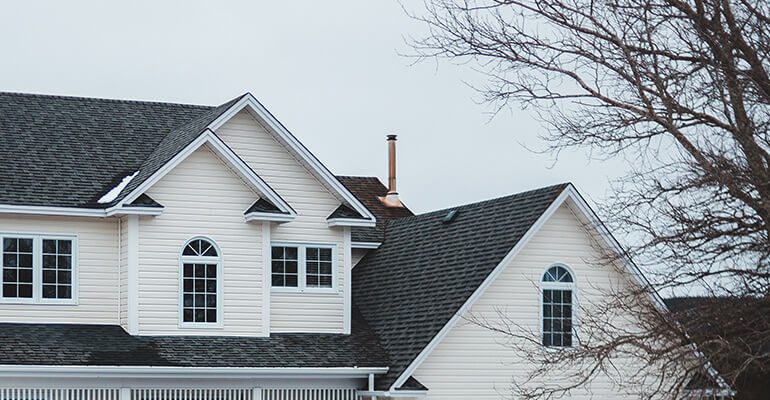
The expertise of the engineer overseeing a roofing project can have a significant impact on the overall quality and success of the project. An expert engineer with a deep understanding of roof design and installation will be able to ensure that the project is completed correctly and to the highest standards. At Roofplan, our team of expert engineers has extensive experience in all aspects of roofing. They are skilled in designing custom roofing solutions that meet the specific needs and budget of each customer. They are also knowledgeable in the use and installation of various roofing materials, ensuring that the roof is installed correctly and with the highest level of craftsmanship. The expertise of an expert engineer is essential to the success of a roofing project. At Roofplan, we are proud to have a team of highly skilled and experienced expert engineers. In addition to their expertise in design and installation, our expert engineers are also dedicated to customer satisfaction. They work closely with our customers throughout the project, keeping them informed and addressing any concerns or questions they may have. Overall, the expertise of an expert engineer is crucial to the success of a roofing project. At Roofplan, we are proud to have a team of highly skilled and experienced expert engineers who are committed to delivering the best possible results for our customers. The expertise of an expert engineer can also help to prevent costly mistakes or issues during the roofing process. A poorly designed or installed roof can result in a range of problems, such as leaks, structural damage, or even the need for a complete roof replacement. By working with an expert engineer, you can be confident that your roof will be designed and installed correctly, helping to avoid these types of issues and ensuring the long-term performance and longevity of your roof.

Durable Roofing Solutions importance
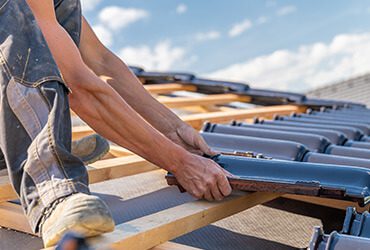
Durable roofing solutions are an important consideration for any building owner or homeowner. A well designed and installed roof is essential for protecting the structure of the building and its occupants from the elements. In addition, a durable roof can also help to reduce energy costs, improve the overall value of the property, and save money in the long run by reducing the need for costly repairs or replacements. There are several factors to consider when selecting a durable roofing solution. One important factor is the material used for the roof. Some materials, such as metal and slate, are known for their durability and can last for decades with proper maintenance. Other materials, such as asphalt shingles and rubber roofing, can also be durable options, depending on the specific product and installation method. Poorly installed roofs are more likely to experience issues such as leaks, structural damage, and premature deterioration. In addition to the material used, the design and installation of the roof are also critical to its durability. A poorly designed or installed roof is more likely to experience issues such as leaks, structural damage, or premature deterioration. Working with an experienced and reputable roofing contractor can help to ensure that your roof is designed and installed correctly, maximizing its durability and performance. At Roofplan, we are dedicated to providing durable roofing solutions to our customers. We use only the highest quality materials and employ expert engineers to ensure that every roof we install is done so correctly and to the highest standards. We also offer a range of durable materials to choose from, including metal, slate, asphalt shingles, rubber, and more. In addition to new roof installations, we also offer repair and maintenance services to help extend the life of your roof. Regular inspections and timely repairs can help to identify and address any issues before they become more serious, helping to maximize the performance and longevity of your roof. Overall, durable roofing solutions are essential for protecting your home or business and ensuring that it is comfortable, safe, and energy efficient. At Roofplan, we are committed to delivering the best possible roofing solutions to our customers and helping them to get the most value from their investment. So, if you are in need of a new roof or looking to repair or maintain your existing roof, we encourage you to contact us for more information and to schedule a consultation with one of our expert engineers.
All about Custom Roofing Design
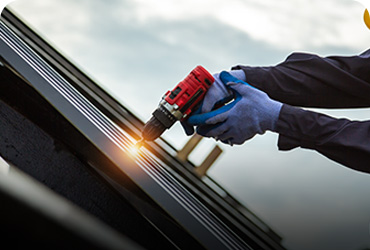
Custom roofing design refers to the process of designing a roof that is tailored to the specific needs and preferences of the customer. This can include considering factors such as the size and shape of the building, the local climate, the style of the building, and the customer’s budget. One of the benefits of custom roofing design is that it allows the customer to create a roof that is unique and meets their specific needs and preferences. For example, a customer might want a roof that is energy efficient, durable, and stylish. An expert roofing contractor with experience in custom roofing design can work with the customer to create a roof that meets these specific criteria. Custom roofing design is an important consideration for any building owner or homeowner. In addition to meeting the customer’s specific needs and preferences, custom roofing design can also help to optimize the performance of the roof. In addition to meeting the customer’s specific needs and preferences, custom roofing design can also help to optimize the performance of the roof. A well-designed roof can be more energy efficient, durable, and able to withstand the elements. It can also enhance the overall appearance of the building, adding value and curb appeal. At Roofplan, we offer custom roofing design services to our customers. Our team of expert engineers has extensive experience in roof design and is skilled in creating custom solutions that meet the specific needs and preferences of each customer. We take into account factors such as the size and shape of the building, the local climate, the style of the building, and the customer’s budget to create a roof that is both functional and aesthetically pleasing. In addition to custom roofing design, we also offer a wide range of roofing materials to choose from, including metal, slate, asphalt shingles, rubber, and more. Our team is knowledgeable in the use and installation of these materials and can help you choose the best option for your specific needs and budget. Overall, custom roofing design is an important consideration for any building owner or homeowner. By working with an expert contractor like Roofplan, you can create a roof that meets your specific needs and preferences and enhances the overall performance and appearance of your building. If you are in need of a new roof or looking to update your existing roof, we encourage you to contact us for more information and to schedule a consultation with one of our expert engineers.
Roof maintenance plan
A roof maintenance plan is an essential part of keeping your home or commercial building in good repair. Regular maintenance can extend the life of your roof and prevent costly repairs or replacements in the future. Here is a roof maintenance plan that you can follow to keep your roof in top condition: Inspect your roof regularly: It is important to inspect your roof at least twice a year, or after any major storms. Look for missing, damaged, or curled shingles, as well as any other signs of wear or damage. Pay particular attention to the areas around vents, chimneys, and flashing. If you are unable to safely inspect your roof on your own, hire a professional to do it for you. If you notice significant damage to your roof or if you are unsure how to properly maintain it, it is best to hire a professional roofing contractor. Remove leaves, twigs, and other debris from your roof regularly. These can trap moisture and cause damage to your roof. You can use a roof rake or a leaf blower to remove leaves and other debris from your roof. Overhanging trees and branches can damage your roof, especially during wind and storms. Trim back any trees or branches that are close to your roof to prevent damage. If you notice any damage to your roof, it is important to repair it as soon as possible to prevent further damage. This may involve replacing damaged shingles, repairing flashing, or sealing any gaps or cracks. Proper attic ventilation is important for the health of your roof. It helps to prevent moisture build-up and reduces the risk of ice dams in the winter. Make sure your attic has proper ventilation to keep your roof in good condition.
10 Common Roofing Problems in Maine and How to Fix Them
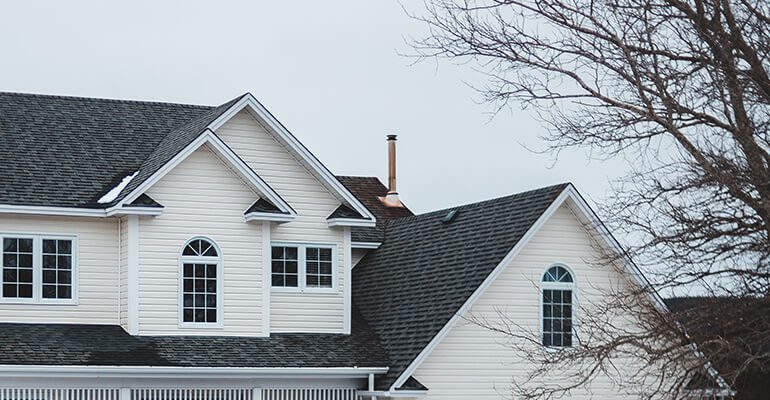
Living in Maine means embracing the beauty of four distinct seasons, but it also means that our homes, especially our roofs, are exposed to a wide range of weather conditions. From heavy snowfall to salty coastal air, these elements can take a toll on your roof over time. As a homeowner, being aware of common roofing problems can save you time, money, and a lot of headaches down the road. 1. Ice Dams What Are They? Ice dams form when heat from your attic melts the snow on your roof, which then refreezes at the edges, creating a dam. This prevents melting snow from draining properly, leading to water backing up under the shingles. How to Fix It Improving your attic insulation and ventilation is key. This keeps the roof surface cold enough to prevent snow from melting prematurely. If ice dams have already formed, it’s best to consult with one of the best roofing contractors in Maine to safely remove them without damaging your roof. 2. Heavy Snow Load What’s the Issue? Maine winters are notorious for heavy snowfall. Excessive snow accumulation can strain your roof structure, leading to sagging or even collapse in extreme cases. How to Fix It Regularly remove snow using a roof rake or hire professionals to do it for you. Ensure your roof is structurally sound by having it inspected by reputable Maine roofing contractors, especially if your home is older. 3. High Winds and Storm Damage The Problem Nor’easters and coastal storms can bring strong winds that rip off shingles or cause tree limbs to fall on your roof. How to Fix It After a storm, inspect your roof for missing shingles or damage. Replace any missing or damaged shingles promptly to prevent leaks. For extensive damage, contacting the best roofing contractors in Maine will ensure repairs are done correctly. 4. Moisture and Leaks Why It Happens Frequent rain and melting snow can lead to moisture seeping under shingles, especially if they are damaged or improperly installed. How to Fix It Regular roof inspections can catch small issues before they become big problems. Seal any cracks and replace damaged shingles. Proper flashing around chimneys and vents installed by experienced Maine roofing contractors can also prevent leaks. 5. Roof Ventilation Issues The Concern Poor ventilation can cause heat and moisture to build up in your attic, leading to mold growth and decreased roof lifespan. How to Fix It Ensure your attic has proper ventilation. Soffit vents, ridge vents, and attic fans can help regulate temperature and moisture levels. An assessment by a professional can determine the best solution for your home. 6. Moss and Algae Growth What’s Happening? Damp conditions promote moss and algae growth on your roof, which can retain moisture and cause shingles to deteriorate. How to Fix It Clean your roof using a gentle brush and a moss-killing solution. Trim overhanging branches to reduce shade and allow sunlight to dry out the roof. Installing zinc or copper strips can also prevent moss growth. 7. Shingle Damage from Weather Extremes The Issue Temperature fluctuations can cause shingles to expand and contract, leading to cracks or curling. How to Fix It Replace damaged shingles promptly. Consider using high-quality, weather-resistant materials recommended by Maine roofing contractors to withstand local climate conditions. 8. Salt Spray Corrosion Why It’s a Problem For homes near the coast, salty air can corrode metal components and deteriorate roofing materials faster than normal. How to Fix It Use corrosion-resistant materials like stainless steel or aluminum for flashing and fasteners. Regular inspections can catch early signs of corrosion, allowing for timely repairs. 9. Gutter and Drainage Problems The Concern Clogged or damaged gutters can lead to water overflow, which can damage your roof and home’s foundation. How to Fix It Clean your gutters regularly, especially after the fall season. Repair or replace damaged sections to ensure proper drainage. Gutter guards can also reduce debris buildup. 10. Aging Roof Materials What Happens Over time, all roofing materials will deteriorate, losing their effectiveness and aesthetic appeal. How to Fix It If your roof is over 20 years old, consider a professional inspection to determine if it needs repairs or replacement. Upgrading to modern, durable materials can provide better protection and increase your home’s value. Use our free tool here to see how much a new roof will save you in energy costs. When to Call a Maine Roofing Contractor? Not every roofing issue is something you can (or should) handle on your own. In Maine, having a trustworthy roofing contractor on hand is invaluable. If you’re dealing with persistent leaks, major shingle damage, or structural issues, a professional contractor can provide the expertise needed to keep your roof in top shape. At Southern Maine Roofs, we’re here to help make roof maintenance simple and stress-free. Whether it’s an inspection, repair, or full replacement, our network of skilled Maine roofing contractors is ready to tackle your toughest roofing challenges. Best of all, we offer free, no-obligation quotes, so you can feel confident about your roofing choices.
Roof underlayment and flashing
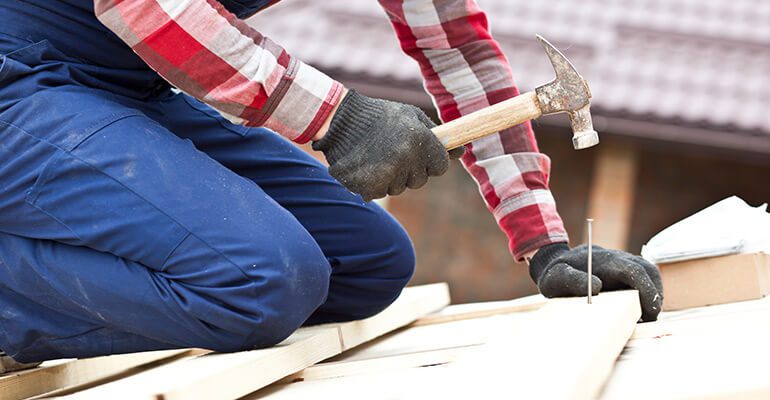
Roof underlayment and flashing are two important components of a roofing system that play a crucial role in protecting a building from water damage. In this post, we will delve into the details of roof underlayment and flashing, explaining what they are, how they work, and why they are important. Roof underlayment is a layer of material that is installed under the roofing material to provide an extra layer of protection for the roof. It is often made of a synthetic material such as felt paper, rubberized asphalt, or a synthetic polymer. Roof underlayment is installed on top of the roof deck and under the roofing material, and serves as a secondary water barrier in case the primary roofing material fails. Roof flashing is an important component of a roofing system because it helps to prevent leaks and water damage to the roof and the building. Roof flashing is a thin material, usually made of metal, that is used to seal the joints and seams on a roof. It is typically installed around areas of the roof that are prone to leaks, such as chimneys, skylights, and vents. Roof flashing is designed to prevent water from seeping through these joints and into the building. Roof underlayment works by providing a layer of protection between the roof deck and the roofing material. It acts as a barrier to prevent water from seeping through the roof and into the building. When installed properly, roof underlayment can help to prevent leaks and water damage to the roof and the building. Roof flashing works by sealing the joints and seams on a roof, preventing water from seeping through these areas and into the building. It is typically installed around areas of the roof that are prone to leaks, such as chimneys, skylights, and vents. When installed correctly, roof flashing helps to prevent leaks and water damage to the roof and the building. Roof underlayment is an important component of a roofing system for several reasons. First and foremost, it provides an extra layer of protection against water damage. If the primary roofing material fails, the roof underlayment can help to prevent leaks and water damage to the roof and the building. In addition, roof underlayment helps to prevent moisture from accumulating on the roof deck, which can lead to rot and other types of damage.
Roof evaluation Facts
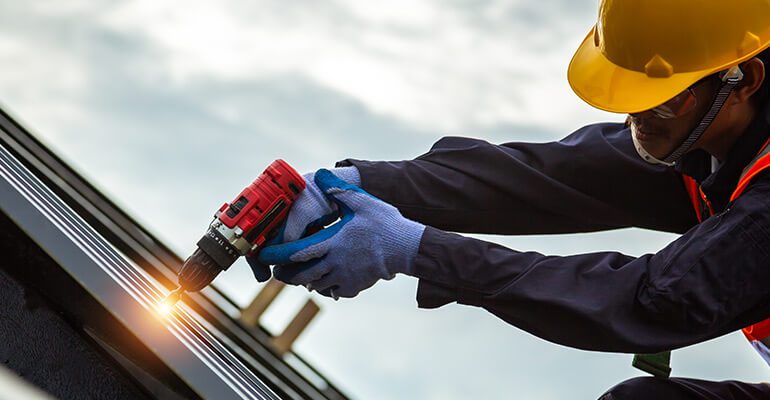
Roof evaluation is the process of assessing the condition of a roof in order to determine its current state and identify any potential issues or areas of concern. This is an important step for building owners and property managers to take in order to ensure the long-term health and protection of their building. In this post, we will delve into the details of roof evaluation, explaining what it is, how it is conducted, and why it is important. Roof evaluation is the process of assessing the condition of a roof in order to determine its current state and identify any potential issues or areas of concern. It is typically conducted by a professional roofing contractor or building inspector and includes a thorough inspection of the roofing material, the condition of the decking, and the overall condition of the roof. The goal of a roof evaluation is to identify any issues that may need to be addressed in order to prolong the life of the roof and protect the building from water damage. it is important to choose a reputable and experienced roof evaluation contractor in order to ensure a thorough and accurate assessment of the roof. Roof evaluation is typically conducted by a professional roofing contractor or building inspector. The process typically involves a visual inspection of the roof from both the ground and the roof itself, if possible. The inspector will look for any visible signs of damage, such as missing or damaged shingles, leaks, or rot. They will also assess the condition of the decking and the overall condition of the roof. In some cases, the inspector may also use specialized equipment such as thermal imaging cameras or moisture meters to help identify any potential issues. A typical roof evaluation will include a detailed assessment of the condition of the roof, including any visible signs of damage or wear and tear. It will also include an estimated lifespan for the roof, as well as any recommendations for repair or maintenance. In addition, the evaluation may include an assessment of the ventilation and drainage systems, as well as any other components of the roofing system that may need to be addressed. Roof evaluation is an important step for building owners and property managers to take in order to ensure the long-term health and protection of their building. By identifying any issues with the roof early on, it is possible to address them before they become more serious and costly to fix. In addition, a roof evaluation can help to prolong the life of the roof by identifying any potential issues that may need to be addressed in order to maintain its integrity. The frequency of roof evaluations will depend on the age and condition of the roof, as well as the climate in which the building is located. As a general rule, it is a good idea to have a roof evaluated at least once per year, particularly if the roof is older or has sustained any significant damage. In some cases, it may be necessary to have the roof evaluated more frequently, especially if the building is located in an area with harsh weather conditions or if the roof is showing signs of wear and tear.
Removing Snow from Roofs: A Guide for Maine Homeowners
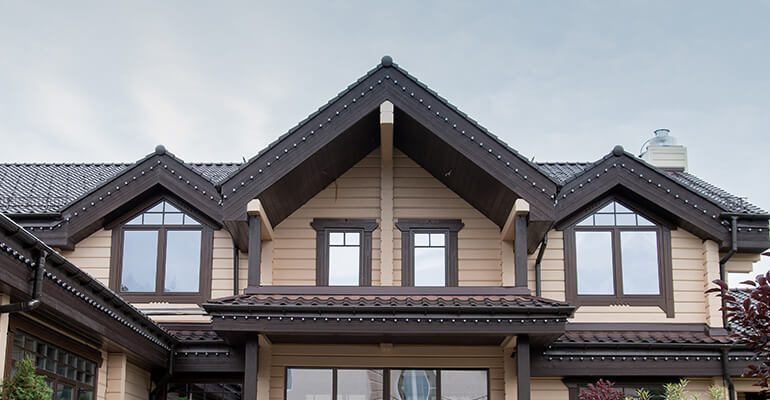
Removing Snow from Roofs: A Guide for Maine Homeowners Winter in Maine is no joke. With heavy snowfall and icy conditions, one of the biggest concerns for homeowners is the accumulation of snow on roofs. Not only can this lead to structural damage, but it also poses safety risks. This guide will help you understand when and how to remove snow from your roof safely, incorporating guidelines from the State of Maine. Why Snow Accumulation is a Problem Heavy snow loads can stress your roof beyond its capacity, especially flat and low-pitched roofs commonly found in certain home designs and industrial buildings. Recognizing the warning signs of potential structural weaknesses is crucial to prevent damage or collapse. How Much Snow is Too Much? Understanding the weight of the snow on your roof is essential. Here are some general guidelines: Fresh Snow: Approximately 10-12 inches of new snow equals about 5 pounds per square foot. Most roofs can handle up to 4 feet of fresh snow before becoming stressed. Packed Snow: About 3-5 inches of old, packed snow equals the same 5 pounds per square foot. Therefore, 2 feetof packed snow could be problematic. Ice: Just 1 inch of ice equals 1 foot of fresh snow, adding significant weight. Example: A combination of 2 feet of old snow and 2 feet of new snow could weigh up to 60 pounds per square foot, exceeding the load capacity of many roofs. Signs Your Roof May Be Stressed Be on the lookout for: Sagging sections Severe leaks Cracks in walls or masonry Doors or windows that jam Unusual creaking or popping sounds If you notice any of these signs, evacuate the building and consult a professional immediately. Safe Snow Removal Tips Consider Hiring Professionals Removing snow from roofs can be dangerous due to heights and slippery conditions. Professionals have the necessary equipment and experience. If You Choose to DIY Use a Roof Rake: Invest in a long-handled roof rake designed for snow removal. Start from the Edge: Begin at the roof’s edge and work your way up, removing small amounts at a time. Avoid Damage: Leave a thin layer of snow (about 2-3 inches) to prevent damage to shingles. Stay Grounded: Work from the ground if possible. Avoid climbing on ladders or the roof itself. Watch for Falling Snow: Be aware of where the snow will fall to avoid injury. Protect Yourself: Wear a hard hat and safety goggles. What Not to Do Don’t Use Open Flames: Never use torches or heat guns to melt snow or ice. Avoid Electrical Devices: Keep electric heaters and hairdryers away from melting snow to prevent electrocution. Stay Off the Roof: Walking on a snow-covered roof increases the risk of slips and falls. Preventative Measures Keep Gutters Clean: Clear gutters and downspouts to prevent ice dams. Trim Overhanging Branches: Reduce the risk of additional snow falling onto your roof. Improve Insulation: Proper attic insulation can minimize ice dams by keeping the roof surface cooler. Final Thoughts Regular maintenance and prompt snow removal can protect your home from the harsh Maine winters. Always prioritize safety over convenience. When in doubt, consult a professional to handle snow removal tasks. Receive a free quote below. reference: https://www.maine.gov/mema/hazards/natural-hazards/severe-winter-storms/roof-snow-removal Credit: https://www.southernmaineroofs.com
Roof repair recommendations
It is a good idea to be present during the repair work in order to ask any questions and get a better understanding of the condition of the roof. After the repairs are complete, the contractor should provide a written report outlining the work that was completed. After completing the recommended roof repairs, it is important to maintain the roof in order to prolong its lifespan and protect the building from water damage. Some tips for maintaining the roof include: Regular inspections of the roof can help to identify any potential issues early on and allow for timely repairs. Clearing debris from the roof: Debris such as leaves and branches can accumulate on the roof and cause damage if not removed. Regularly clear the roof of any debris to help prevent damage. Inspecting the roof regularly: Regular inspections of the roof can help to identify any potential issues early on and allow for timely repairs. Cleaning and maintaining the ventilation and drainage systems: Proper ventilation and drainage are important for the health of the roof. Regularly clean and maintain these systems to ensure that they are functioning properly. Seeking professional help: If you are unsure about the condition of your roof or if you notice any issues, seek the help of a professional roofing contractor. They can provide a thorough assessment of the roof and make any necessary repair recommendations. Choosing a reputable and experienced roof repair contractor is also crucial in order to ensure that the recommended repairs are completed properly and effectively. By following these recommendations and properly maintaining the roof, it is possible to prolong its lifespan and protect the building from water damage.
Roof replacement Facts
Roof replacement is a significant investment, but it is an important one for the long-term health and protection of your home or business. In this post, we will delve into the details of roof replacement, explaining what it is, when it is necessary, and how to go about it. Roof replacement is the process of removing an existing roof and installing a new one in its place. It is typically necessary when a roof has reached the end of its lifespan or has sustained significant damage that cannot be repaired. Roof replacement can involve the removal of the old roofing material, repair of any damaged decking, and installation of new underlayment and flashing, as well as the new roofing material itself. To ensure that your new roof stays in good condition, it is important to perform regular maintenance and repairs as needed. This may include cleaning the roof and gutters. There are several signs that a roof may need to be replaced. One of the most obvious is if the roof has reached the end of its lifespan. Most roofing materials have a lifespan of 20-30 years, depending on the type of material and the quality of the installation. If your roof is older than this, it may be time to consider replacement. Other signs that your roof may need to be replaced. Before beginning the roof replacement process, it is important to properly prepare. This includes getting multiple estimates from reputable contractors, setting a budget, and obtaining any necessary permits. It may also be a good idea to remove any valuables or personal items from the attic or upper floors to protect them during the replacement process. Choosing a reputable and experienced roofing contractor is an important step in the roof replacement process. It is important to do your research and get multiple estimates before making a decision. The roof replacement process can take anywhere from a few days to a week or more, depending on the size and complexity of the roof.
- 1
- 2